Benfotiamine for neuropathy: my friend Peggy took 300 mg a day for her burning feet. It helped a little, then it helped exactly the same little amount for four months
Peggy is 68, she ran a school cafeteria for thirty years, and in August she added benfotiamine to slot number twelve of her pill organizer. The burning started a little later in the evening, and then it stopped improving while the numbness crept up her feet. Here's what this form of vitamin B1 can really do, the study testing it right now, and the woman in lane three at the pool who showed her why one vitamin can stall.

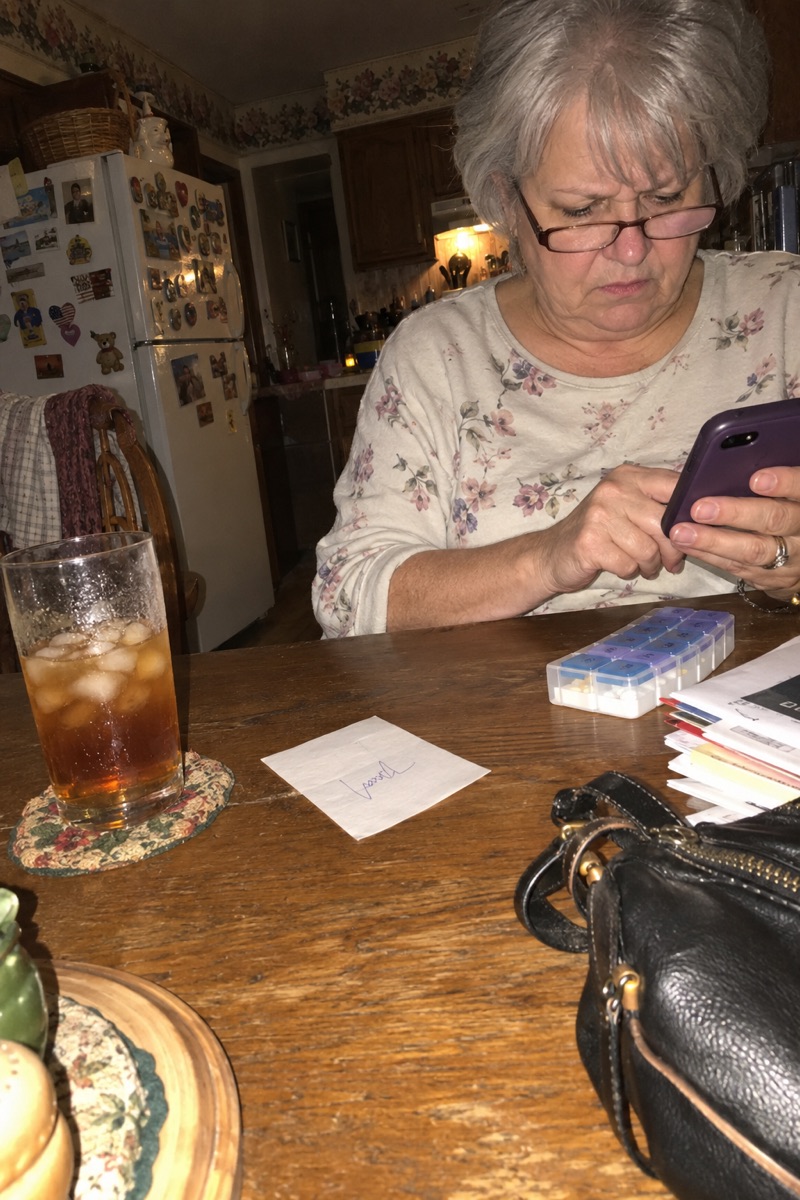
Benfotiamine for neuropathy was the phrase my water aerobics friend Peggy typed into her phone one night in August, sitting at her kitchen table with a glass of iced tea and the pill organizer she fills every Sunday. Peggy is 68, a retired school cafeteria manager, and for three years the bottoms of her feet have felt like she's walking on a sheet of sandpaper that someone heated in the oven. She'd read that benfotiamine is "the vitamin B1 that actually gets into the nerves." By the end of that week it was in slot number twelve.
"Denise, it's a vitamin," she told me at the pool. "What's the worst that can happen? It doesn't work?"
That's where she was when she sat down on the bench next to me in the locker room in October and asked me the question I hear every week on this site: is benfotiamine the answer, or is it just one more bottle? I want to tell you what we found, because it changed how Peggy thinks about every bottle in that organizer.
What benfotiamine is, and why people with neuropathy try it
Benfotiamine is a man-made form of vitamin B1, thiamine. Regular B1 dissolves in water, and the body absorbs only so much of it at a time. Benfotiamine is built to dissolve in fat, so more of it gets through the gut and into the tissues. That's the reason it shows up in so many conversations about burning feet: people with diabetes often run low on B1, and B1 is part of how the body handles the byproducts of high blood sugar that are hard on nerves.
It's taken seriously enough that researchers are still studying it right now. This summer a university hospital in Thailand registered a twelve-week, double-blind trial comparing benfotiamine, 300 milligrams a day, against a standard B1-B6-B12 combination pill in people with diabetic neuropathy, measuring numbness, sensory symptoms and pain. The results aren't in yet. That tells you two things: there's enough promise that doctors want to know, and nobody can tell you yet that it's the answer by itself.
What it can do, and what Peggy noticed
- It may help if you're low. If your B1 has been running low from diabetes, from a water pill, or from years of not eating much, filling that gap can make a real difference. That's worth asking your doctor to check.
- It's usually gentle. Most people take it without trouble. A few get an upset stomach or a rash. It still counts as something your doctor should know you're taking.
- It works on one piece. It's a vitamin. It supports one step in how the nerve handles sugar and energy. It isn't built to do everything a worn nerve needs.
Peggy noticed a small change in the first month. The burning started a little later in the evening. Then it stopped improving. By October the numbness had crept from her toes to the balls of her feet, and she'd added a second capsule on her own. Nothing changed except the price.
Why one vitamin can stall: the coating
Here's the picture that made sense to Peggy, because she spent thirty years running a kitchen and knows what happens to the insulation on an old appliance cord. The nerve that runs to your toes is a long wire with a protective coating. When the coating wears thin, from years of sugar, age, a medicine, the signal leaks. You feel the leak as burning, buzzing, pins and needles, or that sandpaper numbness.
Feeding the wire one vitamin is like giving an electrician one screwdriver. It helps with one job. But the coating itself, the slow inflammation around it, and the blood supply that has to travel all the way down to your toes to rebuild it, those are separate jobs, and the farthest nerves get their turn last. That's why so many people get a small lift from one supplement and then a plateau.

There's a doctor with nearly thirty years in practice who talks about exactly this coating, and about a simple morning habit he believes may support it, built around a spice that costs about four dollars and was famous long before anyone sold it in capsules. He is fussy about it, though: which kind, what you take it with, and what time of day. He says the jar most Americans have in the cupboard is not the one he means. I'll let him tell that part, because he tells it better than I could, and because the "which kind" is half the story.
The woman in lane three
The turn came from the pool. Peggy swims in lane two on Tuesdays and Thursdays, and in lane three there's a retired postal carrier named Dot, 71, who walked a route for twenty-nine years and has had numb feet for eleven of them. Peggy asked her, in the locker room, what she takes. She expected a vitamin.
Dot laughed. "I did the B1. I did the fancy B1, the one with the long name. I did it for a year." Then she said what Peggy repeated to me on my porch: "A vitamin feeds one part. I needed something that went after the coating and the inflammation and the circulation together, because that's what was actually wearing out."
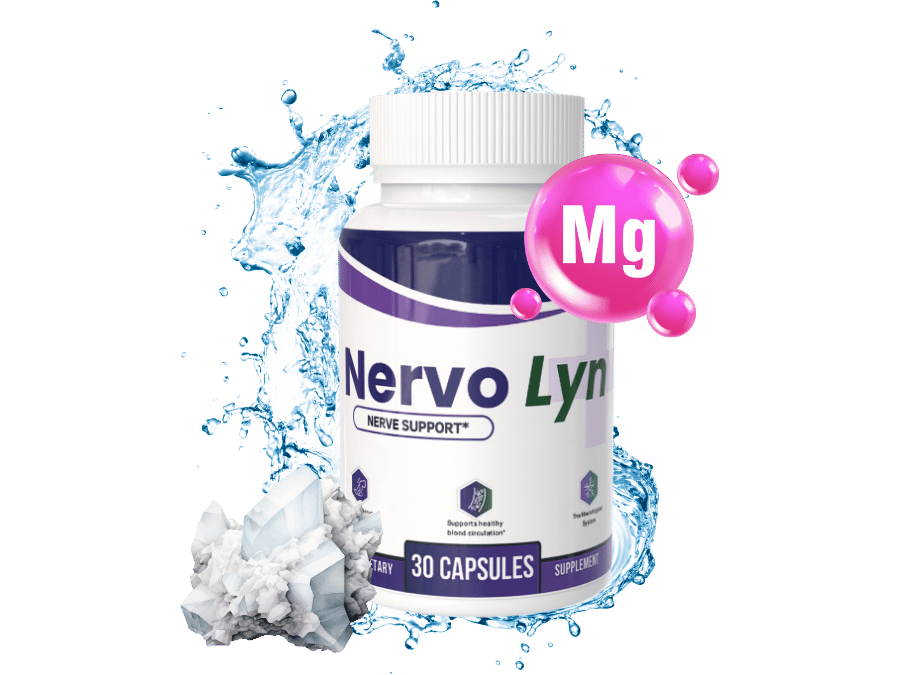
She had the bottle in her swim bag. It was NervoLyn, and Peggy, who once sent back an entire delivery of milk because the dates were one day off, read every word on the back right there on the locker room bench:
- Turmeric extract, standardized to 95% curcuminoids. For the body's normal inflammation response around stressed nerves. "That's not my spice jar," she said. "That's what they pull out of it."
- Alpha lipoic acid. An antioxidant the company calls one of the most studied for the nerves in the hands and feet.
- Butcher's broom. An old herb for circulation, to help blood make the long trip down to the toes, where the coating needs it most.
- L-carnitine and Coenzyme Q10. Fuel for the cells, so a tired nerve has the energy for its own slow repair.
- Magnesium glycinate. A gentle form of magnesium the company ties to calmer nerve signals and better sleep.
"So the B1 was one screwdriver," Peggy said to me afterward, "and this is the toolbox." She took the label to her doctor before she opened it, because she takes metformin and a blood pressure pill. He told her to take it with breakfast, keep checking her soles every night, and that she could keep the B1 if she wanted to, since they don't overlap much.
What Peggy noticed, and when
- Week 1. Nothing she'd swear to. Same sandpaper at night.
- Weeks 2 and 3. A fizzy, pins-and-needles feeling in two toes on her left foot that had been plain numb. It scared her. Dot said she'd had it too. Some people notice a numb spot stirring before it settles, though nobody can promise what it means.
- Month 1. The burning came on after the ten o'clock news instead of during supper.
- Months 2 and 3. Where Dot is, and where Peggy is headed: she walks from the parking lot to the pool without stopping at the bench halfway.
Why so slow? Because nothing in that bottle numbs anything. A coating that has been wearing for years gets rebuilt on the body's own schedule, and the longest nerves, the ones to your toes, go last. The company says most people notice early changes in three to four weeks and fuller results over eight to twelve weeks. Peggy spent thirty years ordering for a school; she knows what a three-month supply is for, and her second order was the bigger one.
If you've got a vitamin in your organizer that helped a little and then stopped, this is what Dot pulled out of her swim bag on the locker room bench.
See the label Peggy read on the locker room bench →Who it's for, and who it isn't
It may be worth a look if you're over 50, the burning, tingling or numbness started in the toes of both feet and has crept upward, your doctor has checked the basics (blood sugar, B12, B1, thyroid), and the single vitamins helped for a while and then stopped helping.
It is not for you if the numbness came on suddenly or on one side, comes with leg weakness, a drooping face or trouble speaking, or you have a sore on your foot that isn't healing. Those need a doctor today. If you take medicine for blood sugar, blood pressure, thyroid or blood thinning, are in chemotherapy, or are pregnant or nursing, show your doctor the label first, the way Peggy did. A supplement is not a substitute for finding out what's causing your neuropathy.
The company gives you 60 days, with your money back if your feet don't notice. It's a one-time order, nothing that renews on its own, made in the United States in a GMP-certified facility. "Sixty days," Peggy said. "I gave the fancy B1 four months of feeling exactly the same."
Every month you feed the wire one vitamin, the coating underneath keeps wearing. Peggy's only regret is the summer she spent doubling capsules instead of reading labels.
Give your own feet the whole toolbox for 60 days →So, is benfotiamine good for neuropathy?
It may help some people, especially people who are low in vitamin B1, and it's being studied right now in people with diabetic neuropathy. It's generally well tolerated. But it's one vitamin aimed at one step, and many people find it helps a little and then levels off. Ask your doctor to check your B1 and B12, keep checking your feet every night, and don't double a dose on your own. Results vary from person to person, and Peggy's are her own. She still sees her doctor, and she still swims on Tuesdays and Thursdays.
P.S. Peggy kept the benfotiamine. It's in slot number eleven now, right next to the bottle Dot showed her. If you're sitting at your own kitchen table tonight with a pill organizer and feet that feel like sandpaper, here's what was in Dot's swim bag. And if your next idea was to rub something on your feet at bedtime, read what happened to my neighbor Arlene and her blue jar first.
I'll send you the next one
— Denise
No spam, no daily noise. Just what I actually did, written the way I actually lived it, sent when I write it.
Thanks — you're on the list.
This is a first-person account shared with Health Choice Review and is not medical advice, a diagnosis, or a recommendation of any treatment or product. Nerve symptoms and their causes vary between individuals. Always consult a licensed physician about your own health, and never start, stop or change a treatment based on anything you read here.