The best foot soak for neuropathy? My friend Marlene tried seven of them in one winter, and the warm water never reached the part that was actually hurting
My friend Marlene kept a dishpan under her bathroom sink for one whole winter, and every night it held a different recipe. Epsom salt, apple cider vinegar, baking soda, grated ginger, a tea bag of chamomile. She was hunting for the best foot soak for neuropathy, and she kept a little notebook of how each one did. I read that notebook with her last week. Here's what the warm water is good for, and the question no soak in it ever answered.


What is the best foot soak for neuropathy? My friend Marlene spent one whole winter trying to answer that, one dishpan at a time. She's 67, she played the organ at our church for twenty-two years, and if you know anything about organs you know they have a whole keyboard you play with your feet. So when her feet started burning at night and going numb in the mornings, it wasn't just a nuisance. It was the thing she loved most, slipping away a pedal at a time.
It started on the soles. A hot, prickly feeling the minute she got into bed, "like I'd been standing on a sidewalk in August." Then her toes went quiet. By last fall she was missing the low notes on Sunday because she couldn't feel where the pedal was. She'd look down to find it. An organist who has to look at her feet, she told me, is like a typist who has to look at the keys.
Her doctor checked her sugar, her B12 and her thyroid, told her it was peripheral neuropathy, and suggested a prescription that made her so sleepy she dozed off during the sermon. She stopped it after two weeks. That's when the dishpan came out from under the sink.
Marlene's soak notebook, one recipe at a time
Marlene is methodical. Every night she wrote down the recipe, the water temperature, how long she soaked, and how her feet felt at bedtime and again at 3 a.m. Here's what that notebook said, in her words as much as I could manage.
- Epsom salt, half a cup in warm water, 15 minutes. "Lovely. Fell asleep easier." Back by 3 a.m. Most nights she rated it the best of the lot for getting to sleep.
- Apple cider vinegar, one cup. "Smelled like a pickle jar." A little relief from the itching on her heels. No change to the burning.
- Baking soda, a quarter cup. Soft skin. That's the whole note.
- Grated fresh ginger. Felt warm and tingly for about twenty minutes, then the tingle she already had came back louder.
- Chamomile tea bags. Relaxing. "Nice for my nerves upstairs, not downstairs."
- Cool water with a little peppermint oil. Instant relief on a hot-burn night. Lasted about as long as the water stayed cool.
- Hot water, as hot as she could stand. This one scared me, and it should scare you. With numb feet, you can't always tell when water is too hot. Marlene came out of it with pink, tender skin on one heel and didn't feel it until the next morning.
That last one matters more than the rest of this article, so please hear it: if your feet are numb, test the water with your elbow or a thermometer, never with your toes. Keep it warm, not hot, and keep it short. Dry carefully between your toes. A burn or a blister you can't feel is the most dangerous thing on this whole list.
So what does a soak actually do?
I'm a retired bookkeeper, not a nurse, so let me say only what I'm sure of. A warm soak relaxes the muscles in your feet and calves, and it can help you settle down before bed. Some people find Epsom salt especially soothing, though the research on magnesium soaking in through the skin is thin. A cool soak can calm a hot, burning night for a little while. Any of those may be worth keeping if it gets you to sleep. Sleep matters.
But when Marlene and I laid her notebook open on my kitchen table and went down the "3 a.m." column, the pattern was so plain I felt silly for not seeing it sooner. Every recipe changed how her feet felt for an hour or two. Not one of them changed what her feet were doing by morning. The water was talking to her skin. The trouble was somewhere the water couldn't go.
The part of the nerve no water can reach
The nerves that run to your feet are the longest ones in your body, and each one is wrapped in a protective coating, like the plastic on an electrical cord. While that coating is whole, signals travel cleanly. When it thins, the signal leaks. Too little gets through and you feel numb. Too much gets through and you feel burning, buzzing, those little electric zaps. The longest cords have the most coating to lose, which is why it so often begins in the toes and climbs.
A foot soak works on the outside of your foot. That coating lives deep inside it, around the nerve itself. You could soak in the finest salt in the world and never touch it.
The person who finally put a name on that for Marlene was not her doctor and not anyone at the drugstore. Her nephew sent her a short video presentation from a doctor who has spent close to three decades with neuropathy patients. As she described it to me, he believes there's a slow process going on around the nerve, something that eats at that coating the way rust eats metal and leaves a sticky kind of buildup behind. He also talks about a cheap morning recipe made from a few things in a kitchen cabinet, and he is fussy about one particular ingredient, which kind you buy and what time of day you take it. Marlene wouldn't tell me the details. "He explains it better than I would," she said. "And I'd get the hour wrong."
That's one doctor's view, and I'll leave it to him. What it did for Marlene was turn her around. For the first time she stopped asking, "Which soak is best?" and started asking, "What is wearing the coating down, and what can I do about that?"
What her brother left on the piano bench
The answer came from her brother Gene, of all people. Gene is 71, a retired long-haul trucker who's had numb feet since his fifties from all those years on the pedals of a different kind. At Thanksgiving, he caught her soaking her feet in the guest bathroom between the turkey and the pie, and he didn't say much. But on Sunday afternoon, after he'd driven home, Marlene found a bottle sitting on her organ bench at the church with a note taped to it in his terrible handwriting: "For the inside of the foot. Read the label. Then call me."
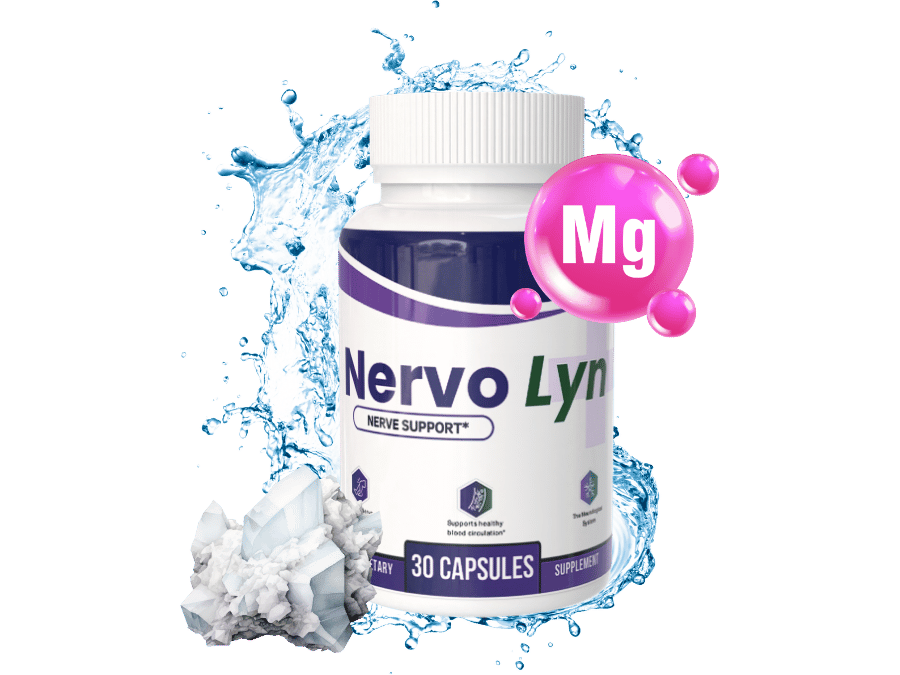
The bottle said NervoLyn. Marlene does not trust anything she hasn't read twice, so she sat right there on the bench, put on her reading glasses, and read the label aloud to an empty sanctuary.
- Alpha lipoic acid. The company calls it one of the most studied antioxidants for the nerves in the hands and feet, there to help protect nerve tissue from everyday wear. Marlene underlined it. "That's the rust."
- Turmeric extract, standardized to 95% curcuminoids. For the body's normal inflammation response around stressed nerves. "Not the jar in my spice drawer, then," she said, and that's all I'll say about that.
- Butcher's broom. An old herb for circulation, to keep blood moving all the way down to the toes. Gene had circled this one.
- L-carnitine and Coenzyme Q10. Fuel for the cells, the energy a nerve needs to keep up its own repair work.
- Magnesium glycinate, 80 mg. A gentle form of magnesium the company ties to calmer nerve signals and better sleep. "So the Epsom salt idea, but from the inside," she said.
She called Gene. He told her he'd been taking it since spring and that he could feel the clutch again in his old pickup. She took the label to her doctor, who said it wouldn't fight with anything she was taking and to keep her appointments. She ordered that night. It's one capsule a day.
What Marlene noticed, a month at a time
- Week 1. Nothing. She kept up the Epsom salt at night because it still helped her fall asleep, and she still woke at 3.
- Weeks 2 and 3. A new pins-and-needles feeling in the balls of her feet, and she nearly quit. Gene said he'd had the same thing and it settled. Some people notice tingling come back into a numb area before more normal feeling returns, though nobody can promise you that's what it is.
- Month 1. She slept through to 5 a.m. three nights in one week. She wrote it in the notebook with a star next to it.
- Months 2 and 3. On a Sunday in the third month she played the whole closing hymn without once looking down for the low C. She told me that after the service and then went into the ladies' room and cried a little.
Why so slow? Because nothing in it covers anything up. If that coating has been thinning for years, the body rebuilds it on its own schedule, and the longest nerves get their signal back last. The company says most people notice early changes in three to four weeks and fuller results over eight to twelve weeks of daily use. That's why Marlene, who has never in her life played half a hymn, went to the bigger supply after her first bottle.
If your own bathroom has a dishpan under the sink and a notebook full of soaks that wear off by 3 a.m., this is the bottle Gene left on the organ bench.
See the bottle from the organ bench →Who it's for, and who it isn't
It may be worth a look if you're over 50, the burning, tingling or numbness started in your toes and has been creeping upward, your doctor has checked the basics, and everything you've tried so far, soaks and creams included, has only helped for an evening.
It is not for you if the numbness came on suddenly or on one side, comes with leg weakness, a drooping face or trouble speaking, or you have a sore or a burn on your foot that isn't healing. Those need a doctor today, not a blog. If nobody has ever checked your blood sugar, B12 and thyroid, start there. And if you're pregnant or nursing, or you take medicine for blood sugar, blood pressure, blood thinning or nerve pain, show your doctor the label before you begin.
Why a careful woman said yes
For Marlene, it was the arithmetic of a winter. The company gives you 60 days to find out, with your money back if your feet don't notice. It's a single order, nothing that renews on its own, made in the United States in a GMP-certified facility. She had already spent more than one bottle's worth on salts, oils, a foot spa that leaked, and a heel balm for the burn she didn't feel. "Sixty days," she said. "That's eight Sundays. I'll know by the low C."
Every month the coating keeps thinning is a month the longest nerves get harder to reach. Marlene's one regret is the winter she spent warming the outside of her feet.
Start your 60 days before another winter of soaks →So, what is the best foot soak for neuropathy?
Honestly? The one that helps you sleep, made with warm water you tested with your elbow, kept to fifteen minutes, and followed by a careful look at your feet. For Marlene that was the plain Epsom salt, and she still does it twice a week. Just don't expect the dishpan to do a job it can't reach. Results vary from person to person, and Marlene's are her own. She still sees her doctor and still checks her feet every night. But the notebook has a new last page now, and at the top she's written: "Soak for sleep. Something else for the nerve."
P.S. The dishpan is still under her sink. Last week she used it to wash the church's communion cups. If you're the one sitting on the edge of the tub tonight with your feet in warm water, here's what Gene left on the organ bench. And if your feet run hot more than numb, my sister's story about the drawer full of burning-feet remedies is the other half of this one.
I'll send you the next one
— Denise
No spam, no daily noise. Just what I actually did, written the way I actually lived it, sent when I write it.
Thanks — you're on the list.
This is a first-person account shared with Health Choice Review and is not medical advice, a diagnosis, or a recommendation of any treatment or product. Nerve symptoms and their causes vary between individuals. Always consult a licensed physician about your own health, and never start, stop or change a treatment based on anything you read here.