Best shoes for neuropathy? My friend Viola spent $400 on winter shoes and still couldn't tell where the floor was.
Viola is 69 and drove a school bus in Dayton for thirty-three years. The new shoes caught her when she stepped; nothing caught the feeling that went missing first. Here's what to look for in a shoe, what a shoe can't do, and what her neighbor set on the porch rail.


My friend Viola drove a school bus in Dayton for thirty-three years. Six-fifteen in the morning, every kind of weather, every kind of kid. She knows exactly how hard you have to press a pedal to stop a forty-foot vehicle full of seventh graders. So the first time she told me she couldn't feel the gas pedal in her own Buick, I put my coffee down.
It started in her toes two winters ago. A cold, buzzing numbness, like her feet had fallen asleep and forgot to wake up. Then the burning at night. Then, this fall, the moment she really got scared: she stepped off the curb at the pharmacy and her foot landed before she expected it to, and she went down on one knee in the parking lot.
Her answer was the one most of us would reach for. The weather was turning, she needed winter shoes anyway, and she typed best shoes for neuropathy into her phone. Three stores and four hundred dollars later, she called me from her kitchen. "Denise, these are the nicest shoes I have ever owned. My feet still feel like they're wrapped in wet cardboard. What am I missing?"
Best shoes for neuropathy: what actually matters
The right shoes really do matter when your feet are numb or burning, and especially in winter, when the cold makes everything louder. If you're shopping this week, here's what foot specialists generally tell people with nerve trouble to look for:
- A wide, deep toe box. Numb toes can't tell you when they're being pinched. Room matters more than style.
- A firm heel and a thin-enough sole. Very thick, squishy soles feel lovely in the store, but they can make it even harder to sense the ground. Stable beats plush.
- A seamless lining. A seam you can't feel can rub a sore you won't notice for days.
- Laces or straps, not slip-ons. A shoe that stays put on the foot keeps you steadier on stairs and curbs.
- Shop late in the day, when feet are at their largest, and bring the socks you'll actually wear.
- Check your feet every night anyway. Good shoes reduce injuries; they don't replace looking.
See a doctor quickly if the numbness is spreading fast, is on one side only, or comes with weakness, a sore or blister that isn't healing, or trouble with balance. And if you have diabetes, ask whether you qualify for therapeutic shoes; Medicare covers them for some people.
Viola did all of it right. It helped, but…
Viola bought the wide toe box. She bought the seamless lining. She got fitted at four in the afternoon in the wool socks. She even bought the cushioned insoles the clerk recommended, and a pair of heated slippers for the house.
And the shoes did their job. She hasn't fallen since. But every night she still sat on the edge of the bed rubbing her feet, the burning coming up through the numbness like heat through a rug. "I spent all that money protecting my feet from the outside," she said. "Nobody said a word about what's going wrong on the inside."
She's right, and it's the part the shoe store can't sell you. A shoe can cushion a step. It can't give back the message your foot is supposed to send up to your brain.
Why your feet stopped telling you where the floor is
The nerves in your feet are the longest in your body, and every one of them is wrapped in a thin protective coating, like the insulation around the wire inside a lamp cord. When that coating wears thin, the message from the sole of your foot gets lost on the way up. Some of it shorts out as burning and buzzing. Some of it just doesn't arrive, and that's the cardboard feeling, the curb that came up too soon.
What wears the coating down, the way it was explained to Viola, isn't one thing. It's a slow, quiet inflammation around nerves that are already under stress, and poor blood flow to the very end of the line. The feet get served last. That's also why winter is so hard: cold narrows the small vessels, and nerves that were already hungry get even less.
There's one ingredient, of all things a yellow kitchen spice, that keeps showing up in the research on that first part. Which one, what it has to be taken with before your body can do anything with it, and why the hour of the day seems to matter, is something Viola had never heard from a shoe clerk, a podiatrist or a pharmacist. I hadn't either, until she showed me.

The neighbor with the ladder
Viola's neighbor across the street is a woman named Mae, seventy-two, a retired church secretary who still climbs a ladder every October to hang the paper bats in her porch light. Viola watched her go up and down that ladder in a pair of plain canvas sneakers and finally walked over and asked how she did it.
"Two years ago I couldn't have," Mae said. "My feet felt like I was standing on bubble wrap. I bought the expensive shoes too, honey. I've got a closet full." She told Viola she'd kept the good shoes, kept seeing her doctor, but stopped expecting a shoe to fix a nerve. "I started on something that goes after the coating and the circulation at the same time." She went inside and came back out with a bottle and set it on the porch rail.
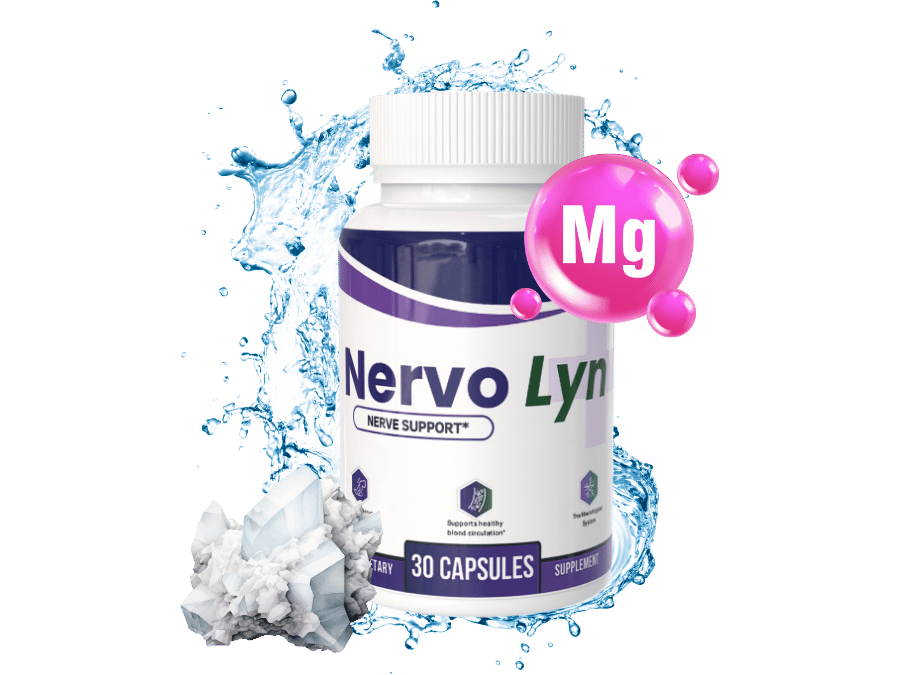
It was NervoLyn. Viola spent three decades reading bus inspection checklists line by line, so she read the back of that bottle the same way, standing on Mae's porch with her glasses pushed up on her head:
- Turmeric extract, standardized to 95% curcuminoids. For the body's normal inflammation response around stressed nerves. "There's the spice," she said. Mae just smiled and didn't say anything else about it.
- Butcher's broom. A traditional herb for circulation, to help blood make the long trip down to the toes, which is exactly where the cold had been winning.
- Alpha lipoic acid. An antioxidant the company describes as one of the most studied for the nerves of the hands and feet.
- L-carnitine and Coenzyme Q10. Energy for the cells, so a tired nerve has the fuel to keep up its own slow repair.
- Magnesium glycinate. A gentle form of magnesium the company connects with calmer nerve signals and better sleep.
"Four hundred dollars of shoes," Viola told me, "and this is the first thing anybody's shown me that's about the wire." She did it the careful way. She took the label to her doctor, who checked it against her blood pressure pill and her metformin, told her to keep wearing the new shoes, keep checking her feet every night, take it with breakfast, and come back in January so they could look at her feet together.
What Viola noticed, and when
- Week 1. Nothing she'd put her name to. Same cardboard feeling, same rubbing at the edge of the bed.
- Weeks 2 and 3. A pins-and-needles flicker in her big toe on the drive to church. Mae told her she'd felt that too. Some people notice a quiet nerve stir before it settles, though nobody can promise what it means for anyone else.
- Month 1. She stepped off the pharmacy curb and felt it land. She stood there in the parking lot a second longer than she needed to.
- Months 2 and 3. Where Mae is now: up and down a ladder in canvas sneakers. Viola's January appointment is on the calendar, and she's planning to walk in, not shuffle.
Why so slow? Because nothing in that bottle numbs anything. A coating that has been wearing thin for years gets rebuilt on the body's own timetable, and the longest nerves, the ones in your feet, get their turn last. The company says many people notice early changes in three to four weeks and fuller results over eight to twelve. Viola ordered the three-month supply. "I drove that route for thirty-three years," she said. "I can give my feet one winter."
If you've already bought the good shoes and your feet still feel like cardboard on the cold floor, this is the bottle Mae set on the porch rail.
See the label Viola read on the porch →Who it's for, and who it isn't
It may be worth a look if you're over 50, the numbness, tingling or burning is in both feet, your doctor has checked the basics (blood sugar, B12, thyroid), and the shoes, socks, soaks and creams make it easier to live with without ever making it better.
It is not for you if the symptoms came on suddenly or only on one side, if a foot or leg feels weak, or if you have a sore that isn't healing. Those need a doctor first. If you take medicine for blood sugar, blood pressure, blood thinning or nerve pain, or are pregnant or nursing, show your doctor the label before you start, the way Viola did, and never stop a prescription on your own.
The company gives you 60 days, with your money back if your feet don't notice. It's a one-time order, nothing that renews behind your back, made in the United States in a GMP-certified facility. "Sixty days," Viola said. "The store only gave me thirty to return the shoes."
Every cold month the coating stays thin, the floor gets a little farther away and the next curb gets a little more dangerous. Viola wishes she'd looked inside her feet before she spent the money on the outside.
Start your 60 days before the first ice →So, what are the best shoes for neuropathy?
Wide and deep in the toes, stable rather than squishy, seamless inside, laced or strapped so they stay on, fitted late in the day with your real socks. Buy them, wear them, and check your feet every night. But know what a shoe can and can't do: it protects the foot from the outside, and it can't bring back the feeling a struggling nerve has lost. For that, talk to your doctor about the cause. Results with any supplement vary from person to person, and Viola's are her own. She still sees her doctor, and she still wears the four-hundred-dollar shoes.
P.S. Viola went back to the pharmacy last week, the same curb where she went down on one knee. She said she stood there and felt the concrete through her new soles and almost cried in the parking lot. If you're the one shopping for shoes this fall because you can't tell where the floor is anymore, here's what Mae brought out to the porch. And if the cold is the thing making your feet worse lately, read what happened to my friend Gloria when the weather turned.
I'll send you the next one
— Denise
No spam, no daily noise. Just what I actually did, written the way I actually lived it, sent when I write it.
Thanks — you're on the list.
This is a first-person account shared with Health Choice Review and is not medical advice, a diagnosis, or a recommendation of any treatment or product. Nerve symptoms and their causes vary between individuals. Always consult a licensed physician about your own health, and never start, stop or change a treatment based on anything you read here.