Why is neuropathy worse in cold weather? My friend Gloria can feel winter coming in her feet before she sees it on the lake
Gloria is 68, and every October for three winters her feet have gotten louder: colder, more numb, and burning at bedtime. Heated socks helped for an hour. Here's why the cold hits nerve feet so hard, what helps when it sets in, and what her sister-in-law at the curling club showed her that the socks were never reaching.


Why is neuropathy worse in cold weather? My friend Gloria asked me that over the phone the morning after the first hard frost in Duluth. She is 68, a retired dental hygienist, and for three winters now her feet have known the season was changing before the weather report did. The buzzing in her soles gets louder. The toes go from cold to a deep, faraway ache, like they have been left outside overnight even when they've been under two blankets. And the burning at bedtime, the part she can almost ignore in July, comes back every October as if it had only been waiting.
"Denise, I can feel winter coming in my feet before I see it on the lake," she said. "Is that in my head?"
It isn't in her head. And because the colder months bring this question to my inbox more than any other, I want to tell you what Gloria tried this fall, what helped for a night, and what she finally understood about why the cold hits nerve feet so much harder than everyone else's.
Why cold weather makes neuropathy worse
Here's the plain version. When you get cold, your body protects your heart and your organs first. It tightens the small blood vessels in your hands and feet so the warm blood stays in the middle of you. For most people that just means chilly toes. For someone whose foot nerves are already struggling, it means the nerves get even less of the blood, oxygen and fuel they depend on, right when they need it most.
Cold also seems to slow the signals traveling along a nerve that's already damaged, which may be why the feet feel both numb and "loud" at the same time. Add the things winter brings with it: less walking, more sitting, stiff ankles, heavier socks and boots that press in the wrong places, shorter days and worse sleep. Every one of those turns the volume up a notch.
What helps when the cold sets in
None of these are secrets, and several of them really do help:
- Keep the feet warm, steadily. Wool socks in the house, slippers with a real sole, and warm the bed before you get in. Steady warmth beats a blast of heat.
- Never test warmth with your feet. No heating pads on the soles, no feet near the space heater, and test a foot bath with your elbow. Feet that can't feel heat properly burn before they warn you, and winter is when most of those burns happen.
- Keep moving indoors. Ankle circles during the evening news, a lap around the house every hour, a walk at the mall when the sidewalks are ice. Moving muscles pump blood back down to the toes.
- Check boots for pressure. Winter boots are stiff and often a half-size off. If you can't feel a seam rubbing, you won't know until there's a blister.
- Look at your soles every night. A mirror or a flashlight. Cracked winter skin is an open door.
Gloria did all of it. Her husband Ray bought her a pair of heated socks for her birthday. They helped on the porch. They helped in the car. And then she'd take them off at bedtime, and within an hour the burning was back, like the warmth had only been holding a lid on a pot that was still boiling underneath.
Why the warm socks only buy you an hour
Gloria spent thirty-one years looking into people's mouths, so she understood this the moment I explained it in her terms. A warm sock is like rinsing a sore tooth with warm water. It feels better while it's there. It doesn't do a thing about what's happening at the root.
The nerve that runs to your toes is the longest wire in your body, and it's wrapped in a protective coating. When that coating wears thin, from blood sugar running a little high for years, from age, from a medicine, from nothing anyone can name, the signal starts leaking. You feel the leak as tingling, burning, pins and needles, or that dead-cold numbness. Cold weather doesn't create the leak. It just squeezes the blood supply the coating needs for its slow repair, so the leak gets louder every winter.
That's why so many people feel worse every fall than the fall before. Warm socks, creams and space heaters work on the outside. The coating, and the circulation that feeds it, are on the inside.

There's a doctor with almost thirty years in practice who talks about exactly this coating, and about a small morning habit he believes may help support it, built around a spice that costs about four dollars a jar. He's fussy about the details: which kind, what you take it with, and what time of day. He says most kitchens have the wrong one. I'll leave that part to him, because the "which kind" and the "what time" are the whole point.
Bev at the curling club
The turn came from Ray's sister, Bev, who is 71 and still throws stones every Tuesday at the curling club on the lake. Gloria had always assumed Bev's feet were fine. They weren't. Bev has had cold, buzzing feet for six years, and two winters ago she nearly quit the league because standing on the ice for two hours left her feet aching all night.
At Thanksgiving planning, Gloria mentioned the heated socks. Bev laughed. "I have three pairs in a drawer," she said. "They're wonderful until you take them off. Nothing changed for me until I started on something that went after the nerve coating and the circulation together." Then she went to her coat, came back, and set the bottle on the table between the pie plates.
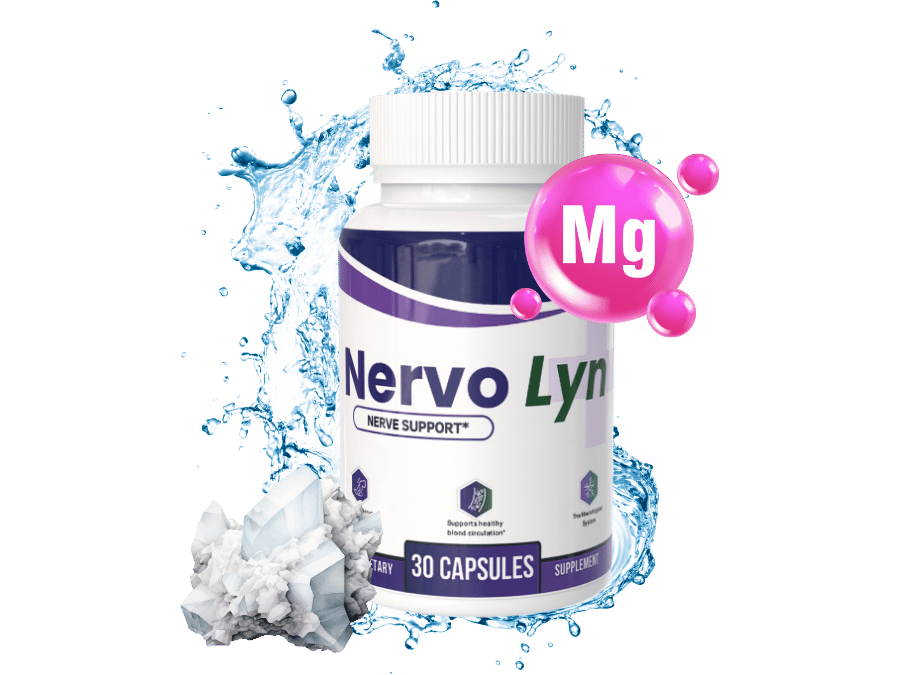
It was NervoLyn. Gloria, who spent three decades reading the small print on every prescription her patients listed, turned it over and read the label twice:
- Turmeric extract, standardized to 95% curcuminoids. For the body's normal inflammation response around stressed nerves. "So that's what you do with the spice," she said.
- Butcher's broom. A traditional herb for circulation, to help blood make the long trip down to the toes, which is exactly what the cold takes away.
- Alpha lipoic acid. An antioxidant the company describes as one of the most studied for the nerves in the hands and feet.
- L-carnitine and Coenzyme Q10. Fuel for the cells, so a tired nerve has the energy for its own slow repair.
- Magnesium glycinate. A gentle form of magnesium the company connects with calmer nerve signals and better sleep.
"It's the circulation one that got me," Gloria told me. "Everything I'd tried was about keeping my feet warm from the outside. This was about getting the blood down there from the inside." She took the label to her doctor first, because she takes a thyroid pill. He said to take it with breakfast, keep walking, keep checking her soles, and come back in three months.
What Gloria noticed, and when
- Week 1. Nothing she'd swear to. Same burning at bedtime, same cold toes on the porch.
- Weeks 2 and 3. An odd warm prickle in toes that had felt like ice. Bev told her she'd felt the same thing. Some people notice a quiet spot stirring before it settles, though nobody can promise what it means.
- Month 1. She took the heated socks off at nine o'clock and fell asleep before the burning came back.
- Months 2 and 3. Where Bev is, and where Gloria is headed: two full hours on the ice on Tuesday nights, and a full night's sleep after.
Why so slow? Because nothing in that bottle numbs anything. A coating that has been wearing thin for years is rebuilt on the body's own schedule, and the longest nerves get their turn last. The company says many people notice early changes in three to four weeks and fuller results over eight to twelve weeks. Gloria ordered the three-month supply the second time. "Winter up here is five months long," she said. "I want to be ahead of it, not behind it."
If your feet get louder every time the temperature drops and the warm socks only buy you an hour, this is the bottle Bev set down between the pie plates.
See the label Gloria read twice at the kitchen table →Who it's for, and who it isn't
It may be worth a look if you're over 50, the burning, tingling or cold numbness started in the toes of both feet and gets worse every fall and winter, your doctor has checked the basics (blood sugar, B12, thyroid), and the warm socks, soaks and creams help for an evening but not for good.
It is not for you if the symptoms came on suddenly or on one side only, if a foot turns white or blue in the cold and stays that way, if you have a sore or a frostbite patch that isn't healing, or if a leg feels weak. Those need a doctor today, not a supplement. If you take medicine for blood sugar, blood pressure, thyroid or blood thinning, are in chemotherapy, or are pregnant or nursing, show your doctor the label first, the way Gloria did.
The company gives you 60 days, with your money back if your feet don't notice. It's a one-time order, nothing that renews on its own, made in the United States in a GMP-certified facility. "Sixty days takes me to Christmas," Gloria said. "If my feet are still screaming at the tree, I'll send it back."
The cold isn't going anywhere until April. Every winter the coating keeps leaking, it starts a little louder than the last one. Gloria's only regret is the three Octobers she spent warming the outside.
Start your 60 days before the first snow →So, why is neuropathy worse in cold weather?
Because cold tightens the blood vessels in your feet, and nerves that are already struggling depend on that blood more than healthy ones do. Less movement, stiff boots and poor winter sleep make it louder. Keep the feet steadily warm without ever testing heat with them, keep moving indoors, check your soles every night, and ask your doctor about blood sugar, B12 and thyroid if it worsens every year. Results with any supplement vary from person to person, and Gloria's are her own. She still sees her doctor, and she still wears the socks Ray gave her, just not to bed.
P.S. Last Tuesday Gloria went down to the club to watch Bev throw, stood on the ice the whole first end, and texted me from the parking lot: "My feet were cold. Just cold. Like everybody else's." If you're on the edge of your own bed tonight waiting for the burning to quiet down, here's what Bev brought to Thanksgiving planning. And if your feet tingle in every season, read what happened to my friend Marlene and the missed pedal note.
I'll send you the next one
— Denise
No spam, no daily noise. Just what I actually did, written the way I actually lived it, sent when I write it.
Thanks — you're on the list.
This is a first-person account shared with Health Choice Review and is not medical advice, a diagnosis, or a recommendation of any treatment or product. Nerve symptoms and their causes vary between individuals. Always consult a licensed physician about your own health, and never start, stop or change a treatment based on anything you read here.