How to make my feet stop tingling? My friend Marlene played the church organ for thirty-four years. Then one Sunday her right foot didn't know where the pedal was
Marlene is 66, and the bottoms of her feet have buzzed like a phone on vibrate for two years. Soaks helped for forty minutes. New shoes helped on Sundays. Here's what really quiets tingling feet tonight, when it means your nerves are talking, and the soprano in the second row who showed her what the soaks were never reaching.


How to make my feet stop tingling is what my friend Marlene typed into her phone at 11:40 on a Sunday night in September, sitting on the bench of the old upright piano in her living room. Marlene is 66. She played the organ at her church in Joplin for thirty-four years, and she knows her feet the way most people know their hands, because an organist plays the bass line with them. For two years now, the soles have buzzed like a phone left on vibrate inside a shoe. That Sunday, for the first time, she missed a pedal note in the middle of the offertory hymn. Nobody noticed. She did.
"Denise, I just want them to be quiet," she said when she called me. "Not fixed. Quiet. Is that too much to ask?"
It isn't too much to ask. And because I hear some version of her question almost every week on this site, I want to walk you through what we tried, what helped for a night, and what Marlene finally found when the quick fixes ran out.
How to make your feet stop tingling tonight
Let's start with the things that can bring some quiet in the next hour. None of them are secrets, and some of them genuinely help:
- Move them. Circle your ankles, spread your toes, walk the length of the hall. If the tingling comes from sitting with your legs crossed or from a pinched position, moving restores the blood flow and it fades in minutes.
- Warm, not hot. A short soak in lukewarm water can calm the buzz. Test the water with your elbow, never your foot. Numb feet can't tell you when water is too hot, and burns are how small problems become big ones.
- Loosen everything. Tight socks, a shoe that pinches across the top, a bedsheet tucked hard over the toes. Marlene's church shoes were half a size too narrow. She'd worn them since 2009.
- Raise or lower the feet. Some people feel better with the feet up on a pillow; others feel better dangling them over the side of the bed. Try both.
Marlene did all four. The soak helped for about forty minutes. The new shoes helped on Sunday mornings. And then, a few weeks later, the buzzing was back, now with a cold, faraway feeling in her toes that hadn't been there in the spring.
When the tingling keeps coming back
Tingling that comes and goes with how you sit is one thing. Tingling that shows up in both feet, starts in the toes, and slowly creeps up toward the ankles, especially at night, is usually your nerves talking. Doctors call it peripheral neuropathy, and the most common reason in this country is years of blood sugar running a little high. But it also follows low vitamin B12 (often from metformin or acid reflux pills), thyroid problems, alcohol, some chemotherapy, and sometimes nothing anyone can name.
If that sounds like you, the first step is the boring one: ask your doctor for a blood sugar and A1c, a B12 level, and a thyroid test. Marlene's A1c was 6.1. Prediabetes, the doctor said, "nothing to worry about yet." Her B12 was fine. She left with a recommendation to keep walking and a sample of a cream.
The cream did what creams do: it gave her a cool, minty feeling on the skin for an hour. The tingling lived underneath it.
Why the buzz is coming from the wire, not the skin
Here's the picture that finally made sense to Marlene, because she has spent her whole life around instruments. The nerve that runs to your toes is the longest wire in your body, a little like the long cable that runs from the console to the pipes in her church loft. Around that wire is a protective coating. When the coating wears thin, from sugar, age, a medicine, years of standing, the signal starts leaking. You feel the leak as tingling, buzzing, pins and needles, or that faraway numbness.
Soaks, creams and new shoes all work on the outside. They can quiet the noise for a while. They don't reach the coating itself, and they don't do anything about the slow inflammation around it or the blood supply that has to travel all the way down to the toes to repair it. That's why so many people find the quick fixes work beautifully for a week and then stop.

There's a doctor with nearly thirty years in practice who talks about exactly this coating, and about a simple morning habit he believes may support it. It's built around a spice that costs about four dollars a jar and was used in kitchens for centuries before anyone put it in a capsule. He's particular about it, though: which kind, what you take it with, and what time of day. He says the jar in most American cupboards isn't the one he means. I'll leave that part to him, because the "which kind" and the "what time" are the whole point, and he explains them better than I can.
The soprano in the second row
The turn came from the choir loft. In the second row of sopranos sits a retired rural mail carrier named June, 72, who has had tingling feet for longer than Marlene has. After that Sunday with the missed note, June caught her by the robe closet. "You stopped pedaling on the third verse," she said. "Your feet?"
Marlene nodded. June didn't give her a lecture. She said, "I did the soaks. I did the cream. I did the vitamin that costs forty dollars. Nothing reached where it was coming from until I found something that went after the coating and the circulation together." Then she reached into her purse, past the hymnal and the cough drops, and handed Marlene the bottle.
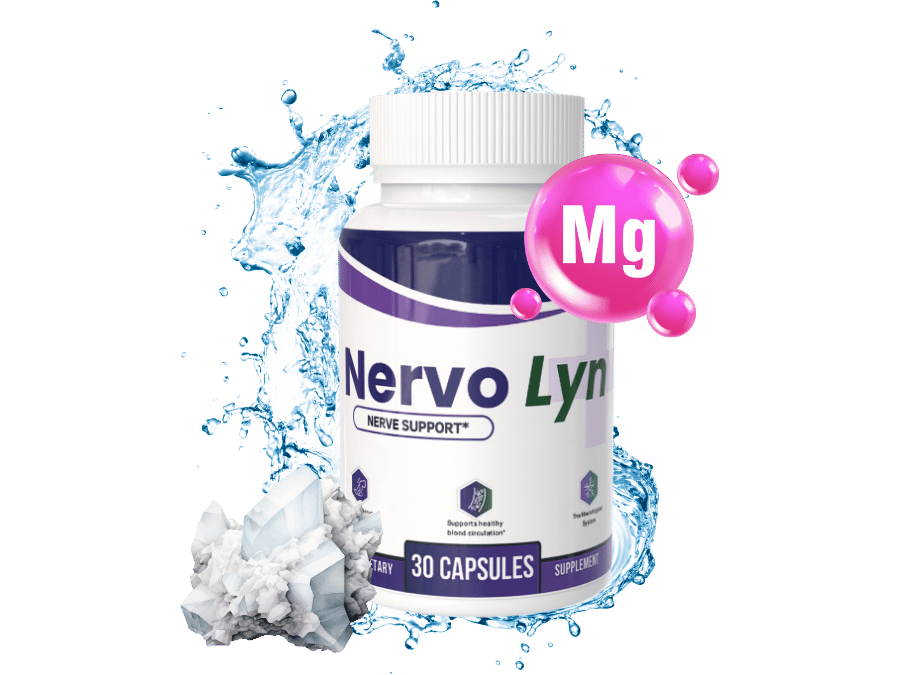
It was NervoLyn. Marlene, who once refused to play a hymn because the publisher had changed one note in the bass line, read every word on the back, right there under the robe rack:
- Turmeric extract, standardized to 95% curcuminoids. For the body's normal inflammation response around stressed nerves. "So that's what they take out of the jar," she said.
- Alpha lipoic acid. An antioxidant the company describes as one of the most studied for the nerves in the hands and feet.
- Butcher's broom. A traditional herb for circulation, to help blood make the long trip down to the toes.
- L-carnitine and Coenzyme Q10. Fuel for the cells, so a tired nerve has the energy for its own slow repair.
- Magnesium glycinate. A gentle form of magnesium the company connects with calmer nerve signals and better sleep.
"It's the same thing as a pipe organ," Marlene told me later. "You can polish the keys all you want. If the wind isn't getting to the pipes, it doesn't play." She took the label to her doctor first, because she takes a blood pressure pill. He said to take it with breakfast, keep walking, keep checking the bottoms of her feet every night, and come back in three months.
What Marlene noticed, and when
- Week 1. Nothing she'd swear to. Same buzzing at bedtime.
- Weeks 2 and 3. A strange warm prickle in the toes that had felt cold and far away. It worried her. June said she'd felt the same thing. Some people notice a quiet spot stirring before it settles, though nobody can promise what it means.
- Month 1. She got through a whole Sunday service, prelude to postlude, without the buzz pulling her attention off the music.
- Months 2 and 3. Where June is, and where Marlene is headed: she sleeps through to six most nights, and the soak tub is back under the bathroom sink.
Why so slow? Because nothing in that bottle numbs anything. A coating that has been wearing thin for years gets rebuilt on the body's own schedule, and the longest nerves, the ones to your toes, get their turn last. The company says many people notice early changes in three to four weeks and fuller results over eight to twelve weeks. Marlene ordered the three-month supply the second time, because, as she put it, "you don't learn a new hymn in a week either."
If your feet buzz every night and the soak only buys you forty minutes, this is the bottle June pulled out of her purse in the choir loft.
Read the label Marlene read under the robe rack →Who it's for, and who it isn't
It may be worth a look if you're over 50, the tingling, buzzing or numbness started in the toes of both feet and has crept upward, your doctor has checked the basics (blood sugar, B12, thyroid), and the soaks, creams and shoe changes help for a night but not for good.
It is not for you if the tingling came on suddenly or on one side only, comes with weakness in a leg, a drooping face, or trouble speaking, or if you have a sore on your foot that isn't healing. Those need a doctor today, not a supplement. If you take medicine for blood sugar, blood pressure, thyroid or blood thinning, are in chemotherapy, or are pregnant or nursing, show your doctor the label first, the way Marlene did. A supplement doesn't replace finding out why your feet are tingling.
The company gives you 60 days, with your money back if your feet don't notice. It's a one-time order, nothing that renews on its own, made in the United States in a GMP-certified facility. "Sixty days is less than one season of Advent rehearsals," Marlene said. "I've wasted longer on worse."
Every month the coating keeps leaking, the buzz gets a little farther from your toes and a little closer to your ankles. Marlene's only regret is the two years she spent soaking the outside.
Give your own feet 60 quiet nights to try it →So, how do you make your feet stop tingling?
For tonight: move them, loosen your socks and shoes, try a lukewarm soak tested with your elbow, and change position. If it keeps coming back in both feet, especially at night, ask your doctor to check your blood sugar, B12 and thyroid, because tingling that returns is usually the nerves themselves. Check your soles every night with a mirror or a flashlight. Results with any supplement vary from person to person, and Marlene's are her own. She still sees her doctor, and she still plays every Sunday.
P.S. Last Sunday Marlene played the whole offertory hymn, bass line and all, and didn't look down at her feet once. She texted me from the parking lot: "Every pedal." If you're sitting on the edge of your own bed tonight waiting for the buzzing to quiet down, here's what June handed her in the choir loft. And if a vitamin is the next thing on your list, read what happened to my friend Peggy and slot number twelve first.
I'll send you the next one
— Denise
No spam, no daily noise. Just what I actually did, written the way I actually lived it, sent when I write it.
Thanks — you're on the list.
This is a first-person account shared with Health Choice Review and is not medical advice, a diagnosis, or a recommendation of any treatment or product. Nerve symptoms and their causes vary between individuals. Always consult a licensed physician about your own health, and never start, stop or change a treatment based on anything you read here.