Lidocaine patch for neuropathy? My neighbor Bonnie wore them every night since September. The burning was back by breakfast.
Bonnie is 69 and ran the church office for twenty-six years. The patches quieted her nights. They never touched the numbness, and the fire was waiting under them every morning. Here's what a lidocaine patch can and can't do, and what the woman who runs the rummage sale brought out of her cupboard.

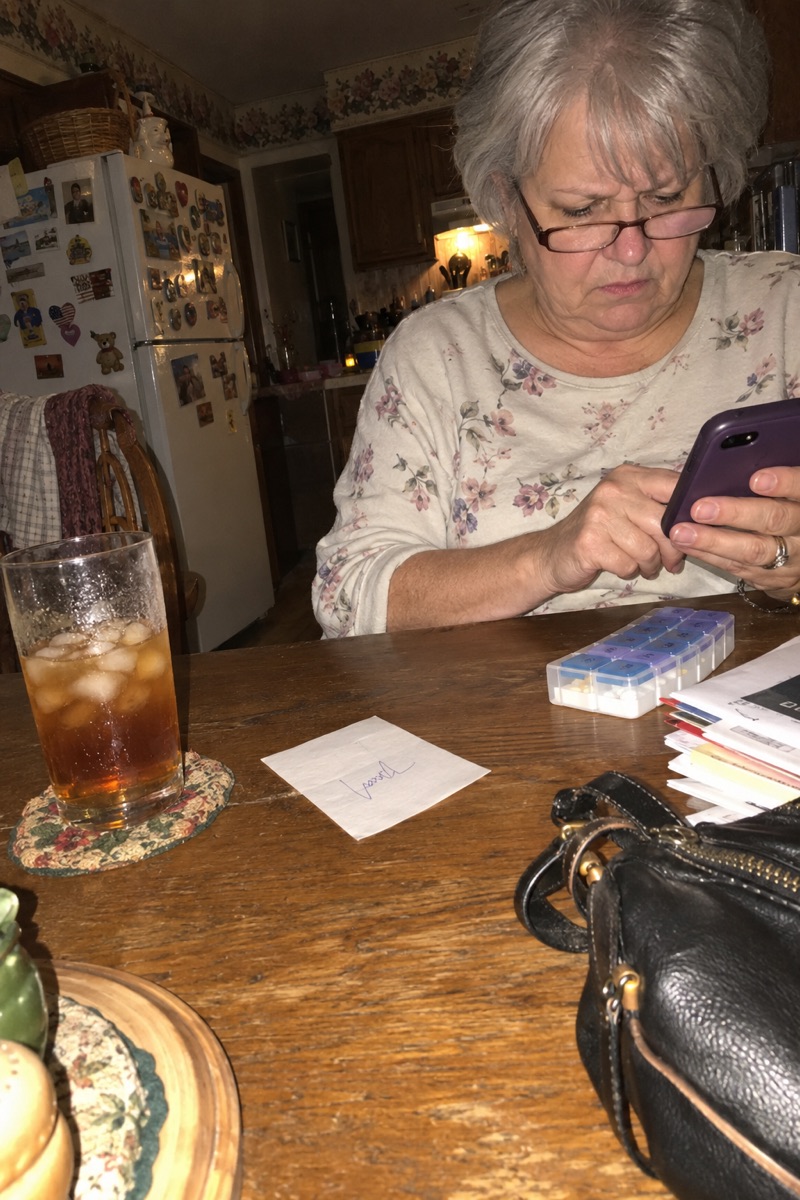
My neighbor Bonnie is sixty-nine and was the church secretary at First Methodist for twenty-six years. She ran the bulletin, the prayer list and the funeral lunches without ever losing a piece of paper. So when her podiatrist handed her a prescription for lidocaine patches in September and said, "Put these on the worst spots at night," she followed the instructions to the letter. Then, three weeks later, she typed lidocaine patch for neuropathy into her phone at midnight, because the burning was back and the patches were still on.
"The first night was a miracle," she told me over the fence. "The second week it was a nice idea. By October I was peeling them off at six in the morning and the fire was right there waiting under them, like it had just been holding its breath."
Lidocaine patch for neuropathy: what it can and can't do
A lidocaine patch is a real tool, and for some people it's a good one. Lidocaine is a numbing medicine. It quiets the overactive pain signals in the skin and the nerve endings right underneath where the patch sits. It doesn't go through your whole body the way a pill does, so for many older adults it's gentler than another prescription.
If you're using them, here's the sensible way to go about it:
- Follow the on-and-off schedule on the box or your prescription, usually up to 12 hours on and 12 hours off. Wearing them around the clock doesn't make them work better and can irritate the skin.
- Over-the-counter patches are weaker (usually 4%) than the prescription ones (5% or the newer 1.8%). If the store kind does nothing, that's worth telling your doctor.
- Never put one on broken skin, a blister, a cut or a sore. And don't cover it with a heating pad. Numb feet already can't feel heat well.
- You can cut them to fit the top of the foot or the ball of the foot, which saves money.
- Check under them every morning. Redness, rash or blisters mean take a break and call your doctor.
See a doctor quickly if the numbness is spreading fast, is only on one side, or comes with weakness, a sore that won't heal, or trouble keeping your balance.
Bonnie did everything right. It helped, but…
To be fair to the patches, they did their job. On the nights she wore them, Bonnie fell asleep faster. She stopped sitting on the edge of the tub at two in the morning with her feet in cold water. Her podiatrist was pleased.
But every morning, the numbness was the same. The cardboard soles, the toes that felt like they belonged to somebody else, the hesitation on the church steps because she couldn't quite tell where the edge was. And the burning came back by breakfast. "So the patch is a blanket over the fire," she said. "Nobody's doing anything about the fire."
That's the part the midnight articles leave out. A numbing patch can quiet a nerve that's shouting. It can't, by itself, repair what's been worn away around that nerve, or feed the far end of a nerve that's been going hungry for years. When the patch comes off, the nerve is exactly where it was when the patch went on.
What's actually happening under the patch
The nerves that run to your toes are the longest in your body, and each one is wrapped in a thin protective coating, like the insulation on a lamp cord. When that coating wears thin, the signal starts leaking. Some of it comes out as burning and buzzing, which is what the patch quiets. Some of it never arrives at all, and that's the numbness, which no patch can touch.
What wears the coating down, the way it was explained to Bonnie, is two slow things working together: a quiet, low-grade inflammation around nerves that are already stressed, and poor blood flow to the very end of the line, where the feet get served last. Now that the nights are in the thirties, the little vessels in the feet tighten up, and nerves that were already short on supplies get even less. That's why so many people say their feet got worse right around the first frost, patches or no patches.
There's a common kitchen spice that keeps showing up in the research on that first part, the inflammation. But the plain jar in your cupboard isn't the version that was studied, and the body barely absorbs it unless it's taken with something else. Which spice, what it has to be paired with, and why the time of day matters, the patch box doesn't say. Bonnie's podiatrist didn't mention it either.

The woman who ran the rummage sale
Irene is seventy-two and has run the church rummage sale for as long as anybody can remember. She had neuropathy in both feet for years. Bonnie remembered her wearing slippers to the potluck because shoes hurt. This October she was on her feet for eight hours sorting donations, and she didn't sit down once.
So Bonnie asked her, straight out, the way church secretaries do: "Irene. What happened to your feet?"
"I used the patches too, honey," Irene said. "They got me through the nights. But they were a blanket over the fire, like you said." What changed things for her, she said, was something that went after the coating and the circulation from the inside, every morning, instead of numbing the outside every night. She went to the cupboard and came back with the bottle.
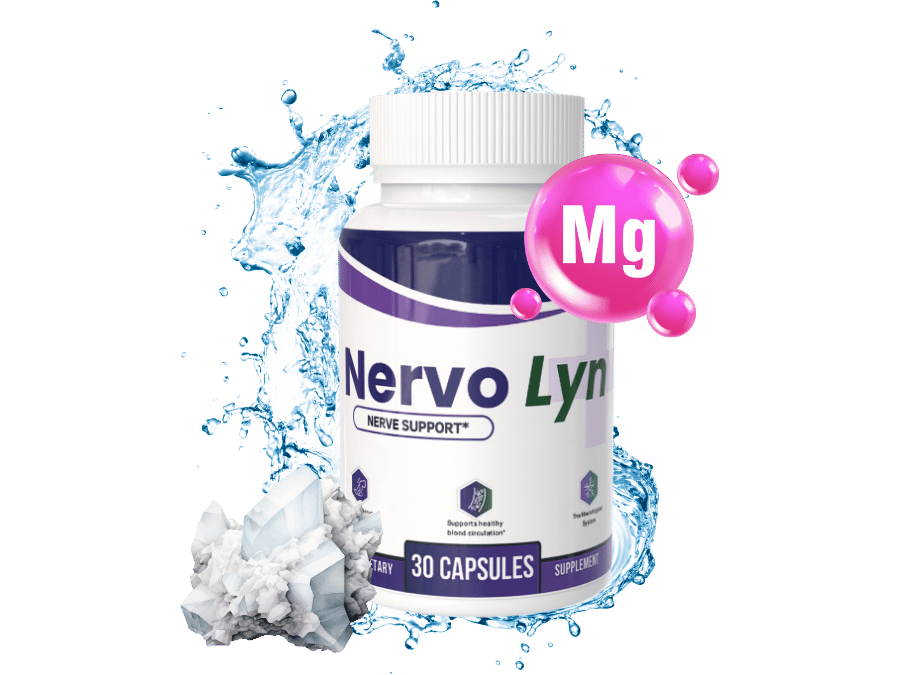
It was NervoLyn. Bonnie proofread the church bulletin every week for twenty-six years, so she read the label twice, slowly, out loud:
- Turmeric extract, standardized to 95% curcuminoids. For the body's normal inflammation response around stressed nerves. "Not the jar from the spice rack," Irene said, and left it at that.
- Butcher's broom. A traditional herb for circulation, to help blood make the long trip down to the toes, which is exactly what the cold nights had been winning against.
- Alpha lipoic acid. An antioxidant the company describes as one of the most studied for the nerves of the hands and feet.
- Magnesium glycinate. The gentle form, which the company connects with calmer nerve signals and better sleep.
- L-carnitine and Coenzyme Q10. Fuel for the cells, so a tired nerve has the energy for its own slow repair.
"So the patch handles tonight and this handles the next six months," Bonnie said. She did it the careful way. She took the label to her podiatrist, who said to keep using the patches on the bad nights for now, checked it against her blood pressure pill, and told her to take it with breakfast and keep looking at her feet every night.
What Bonnie noticed, and when
- Week 1. Nothing to write in the bulletin. Same patches, same burning by breakfast.
- Weeks 2 and 3. A pins-and-needles flicker in her right foot during Sunday service. Irene said she'd felt that too. Some people notice a nerve stirring before it settles, though nobody can promise what it means for anyone else.
- Month 1. The morning burn started arriving later, and some mornings it didn't come at all. She skipped the patches two nights in a row and slept anyway.
- Months 2 and 3. Where Irene is now: eight hours on her feet at the rummage sale, and she can feel the floor through her shoes. Bonnie has an appointment in January and plans to tell her podiatrist everything.
Why so slow? Because nothing in that bottle numbs anything. A coating that wore thin over years gets rebuilt on the body's own schedule, and the longest nerves get their turn last. The company says many people notice early changes in three to four weeks and fuller results over eight to twelve. Bonnie ordered the three-month supply. "The patches got three months," she said. "It's only fair."
If you're peeling off a patch every morning and finding the same fire underneath, this is the bottle Irene brought out of the cupboard.
Read the label Bonnie read out loud →Who it's for, and who it isn't
It may be worth a look if you're over 50, the numbness, tingling or burning is in both feet, your doctor has checked the basics (blood sugar, B12, thyroid), and the things you've tried quiet the pain for a few hours without ever touching the numbness underneath.
It is not for you if the symptoms came on suddenly or only on one side, if a foot or leg feels weak, or if you have a sore that isn't healing. Those need a doctor first. If you take medicine for blood sugar, blood pressure, blood thinning, thyroid or nerve pain, have kidney problems, or are pregnant or nursing, show your doctor the label before you start, and never stop a prescription on your own. It doesn't replace your patches; that's between you and your doctor.
The company gives you 60 days, with your money back if your feet don't notice. It's a one-time order, nothing that renews behind your back, made in the United States in a GMP-certified facility. "Sixty days," Bonnie said. "That's two months of bulletins. I can wait that long."
Every cold night you cover the fire instead of putting it out, the coating stays a little thinner. Bonnie wishes she'd asked Irene in September instead of October.
Go after the fire, not just the blanket →So, do lidocaine patches help neuropathy?
They can, especially for burning and stabbing pain in one area, and especially at night. Use them on the schedule, never on broken skin, never with a heating pad, and tell your doctor if the store kind isn't enough. But a patch numbs the signal; it doesn't reach the two things that keep the feet numb in the first place: the worn coating and the poor blood flow at the end of the line. Talk to your doctor about the cause. Results with any supplement vary from person to person, and Bonnie's are her own.
P.S. Bonnie's box of patches is still in the kitchen drawer, half full. Last Sunday she walked up the church steps without holding the rail, and she told me about it like it was a prayer answered. If you're the one at the kitchen table after midnight with a patch on and the fire still burning, here's what Irene brought out of the cupboard. And if magnesium is the next thing on your list, read what happened when my sister June tried it first.
I'll send you the next one
— Denise
No spam, no daily noise. Just what I actually did, written the way I actually lived it, sent when I write it.
Thanks — you're on the list.
This is a first-person account shared with Health Choice Review and is not medical advice, a diagnosis, or a recommendation of any treatment or product. Nerve symptoms and their causes vary between individuals. Always consult a licensed physician about your own health, and never start, stop or change a treatment based on anything you read here.