TENS unit for neuropathy? My cousin put one in her Black Friday cart. Her podiatrist asked one question first.
Linda is 68 and sorted mail for thirty-one years. The buzzing box quieted her feet for an hour at physical therapy and never touched the numbness. Here's what a TENS unit can and can't do, and what her friend Rosemary pulled out of her purse in the church parking lot.


My cousin Linda is sixty-eight and sorted mail at the post office in Joliet for thirty-one years. She has stood on concrete longer than most people have been alive, and for the last three years her feet have been paying for it: pins and needles in both soles, a burning that wakes her around two, and toes she says feel "like they belong to somebody else."
On Saturday night she sent me a screenshot. The early Black Friday sales have started, and one of the deals sitting in her cart was a TENS unit for neuropathy, the little box with sticky pads that sends a buzzing current into your feet. "Fifty-nine dollars. Thousands of five-star reviews. Do I push the button?" she wrote. Then, before I could answer: "My podiatrist asked me one question about it last spring, and I never answered him."
TENS unit for neuropathy: what it can and can't do
A TENS unit (transcutaneous electrical nerve stimulation) sends a mild electrical current through pads on the skin. It's been used for pain for decades, and a lot of people with burning feet are looking at one this month. Here's the honest picture:
- It can quiet pain while it's on. The buzzing gives the nerves something else to report, so some people feel less burning during a session and for a while after. Others feel little difference. The research on TENS for neuropathy is small and mixed.
- It doesn't repair anything. It changes how pain is felt in the moment. It isn't shown to rebuild nerves or bring back feeling in numb toes.
- Numb feet can't judge the dial. If you can't feel well, you may not notice when the intensity is too high or the skin under a pad is getting irritated. Start low and check your skin after every session.
- Who should ask first: anyone with a pacemaker or implanted device, a foot wound or poor skin, a history of blood clots in the legs, epilepsy, or pregnancy. That was the question Linda's podiatrist asked her: "Any open spots on the feet?"
- Watch the "neuropathy machine" ads. Some boxes sold this season promise to "reverse" or "cure" neuropathy. A TENS unit is a pain gadget, not a cure.
See a doctor quickly if the numbness is spreading fast, is only on one side, or comes with weakness, a sore you didn't feel, or trouble with balance.
Linda already tried one. It helped, but…
Here's the part Linda didn't put in the text. She'd used a TENS unit before, at physical therapy, twice a week for six weeks after she twisted her knee. The therapist put a couple of pads on her feet too, "since you're here." She liked it. The burning went quiet on the table.
She also tried the drugstore B-complex her sister swore by, a foot cream with menthol that made the kitchen smell like a cough drop, and soaking in warm water after her walks. Each one did something for an evening. None of them did anything about the morning, when she puts her feet on the floor and has to look down to know they're there.
"So I'd be buying an hour," she said on the phone. "A nice hour. For fifty-nine dollars and a new set of pads every month." She's right. A buzzing box works on the signal at the very end of the nerve. It doesn't touch why the nerve started sending the wrong signal in the first place.
What's really going on along the nerve
The nerves that reach your toes are the longest in the body. Each one is wrapped in a thin protective coating, like the insulation on an extension cord. When that coating wears thin, the current leaks. Some of it leaks out as burning and buzzing. Some of it never arrives at all, and that's the numbness.
A TENS unit adds more current to the end of a frayed cord. It can drown out the static for a while. But the fraying is happening all the way down the line, and it's driven by two slow things that work together: a low-grade inflammation around nerves that are already stressed, and poor blood flow to the far end of the nerve, where the feet get served last. And this time of year, with the cold mornings and the furnace kicking on, the tiny vessels in the feet tighten up even more.
There's a common spice that keeps turning up in the research on that first part. But it isn't the jar in your cabinet, the body barely absorbs it on its own, and when you take it seems to matter. Which spice, what it needs to go with, and the timing, none of that comes in the box with the sticky pads. Linda's podiatrist had never brought it up.

The friend who brought it up at the church bazaar
Linda's friend Rosemary is seventy-one and ran the hot lunch line at the grade school for twenty-five years. Last Christmas she couldn't stand behind the bake-sale table for more than an hour. Two Saturdays ago, at the church fall bazaar, she worked the whole day, eight to four, in regular shoes.
So Linda, who did not spend thirty-one years at the post office to be polite about things, asked: "What did you do? Did you get one of those machines?"
"I've got two machines in the closet," Rosemary said. "The buzzing one and the one with the little heated rollers. They're nice when it's bad." What made the difference, she said, was working on the cord itself, every morning, from the inside, instead of buzzing the end of it every night. The following Sunday she brought the bottle to church in her purse.
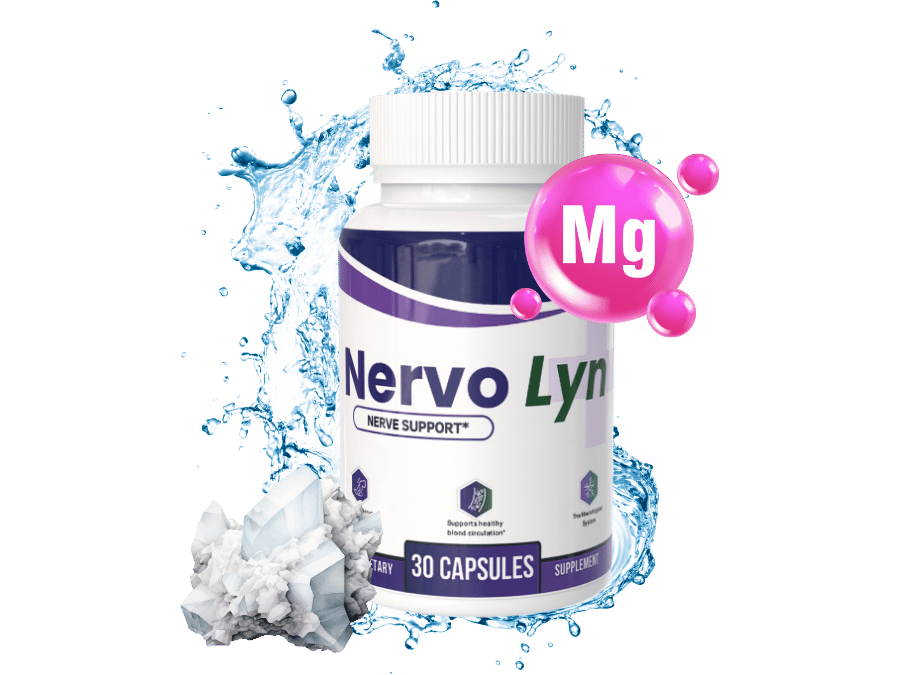
It was NervoLyn. Linda, who has read the fine print on every certified mail form in Will County, read the label standing in the parking lot:
- Turmeric extract, standardized to 95% curcuminoids. For the body's normal inflammation response around stressed nerves. "Not the one on the spice rack," Rosemary said, and wouldn't explain the rest.
- Butcher's broom. A traditional herb for circulation, to help blood make it all the way down to the toes on cold mornings.
- Alpha lipoic acid. An antioxidant the company describes as one of the most studied for the nerves of the hands and feet.
- Magnesium glycinate. The gentle form, which the company connects with calmer nerve signals and better sleep.
- L-carnitine and Coenzyme Q10. Fuel for the cells, so a worn nerve has the energy for its own slow repair.
"So the machine is for the bad nights," Linda said, "and this is for the cord." She did it the careful way. She took a photo of the label to her doctor, who checked it against her blood pressure pill and her cholesterol pill, told her to take it with breakfast, and said there was no harm in keeping a TENS unit around for flare-ups if she checked her skin every time.
What Linda is watching for, and when
- Week 1. Nothing. She said so in a text with no punctuation at all, which in our family means she's being patient on purpose.
- Weeks 2 and 3. Rosemary warned her: more pins and needles before anything better. Some people feel a nerve wake up before it settles down, though nobody can promise how it goes for anyone else.
- Month 1. That's when Rosemary says the two o'clock wake-ups stopped, and the machines started living in the closet.
- Months 2 and 3. Where Rosemary is now: eight hours at the bazaar, regular shoes, feeling the floor of the church basement through the soles.
Why so slow? Because nothing in that bottle buzzes, numbs or warms anything. A coating that wore thin over years gets rebuilt on the body's schedule, and the longest nerves get their turn last. The company says many people notice early changes in three to four weeks and fuller results over eight to twelve. Linda ordered the three-month supply. "The machine's pads last a month," she said. "I'm giving the cord a whole winter."
If you've got a buzzing box in your cart and feet that still feel like somebody else's every morning, this is what Rosemary pulled out of her purse in the church parking lot.
See the label Linda read in the parking lot →Who it's for, and who it isn't
It may be worth a look if you're over 50, the tingling, burning or numbness is in both feet, your doctor has checked the basics (blood sugar, B12, thyroid), and the gadgets, creams and soaks you've tried quiet the burning for an evening without ever reaching the numbness underneath.
It is not for you if the symptoms came on suddenly or only on one side, if a foot or leg feels weak, or if you have a sore that isn't healing. Those need a doctor first. If you take medicine for blood sugar, blood pressure, blood thinning, thyroid or nerve pain, have kidney problems, or are pregnant or nursing, show your doctor the label before you start, and never stop a prescription on your own.
The company gives you 60 days, with your money back if your feet don't notice. It's a one-time order, nothing that renews behind your back, made in the United States in a GMP-certified facility. "Sixty days," Linda said. "The machine says thirty-day returns, and you have to keep the box."
Every cold morning between now and spring is another morning the far end of the nerve goes without. Linda wishes she'd asked Rosemary at the bazaar instead of waiting for Black Friday.
Work on the cord, not just the end of it →So, does a TENS unit help neuropathy?
It may ease burning and pain for some people while it's on, and it's generally gentle when used as directed, but the research is small and mixed and it hasn't been shown to repair nerves or restore feeling. Ask your doctor first if you have an implanted device, a foot wound or a history of clots, start on the lowest setting, check your skin after every session, and skip any box that promises to cure or reverse neuropathy. A buzz on the skin doesn't reach the two things that keep the feet numb: the worn coating and the poor blood flow at the end of the line. Results with any supplement vary from person to person, and Rosemary's and Linda's are their own.
P.S. Linda finally answered her podiatrist's question at her checkup last week: "No open spots. I check every night now." He told her to keep doing that, whatever else she tries. If you're the one with the sticky pads in your cart and the cardboard feeling still there every morning, here's what Rosemary brought to church. And if you're thinking about the red light pads on sale this week too, read what my sister Carol found out first.
I'll send you the next one
— Denise
No spam, no daily noise. Just what I actually did, written the way I actually lived it, sent when I write it.
Thanks — you're on the list.
This is a first-person account shared with Health Choice Review and is not medical advice, a diagnosis, or a recommendation of any treatment or product. Nerve symptoms and their causes vary between individuals. Always consult a licensed physician about your own health, and never start, stop or change a treatment based on anything you read here.