Tingling in hands and feet? My friend Joanne sewed wedding dresses for forty-one years, and this October she couldn't feel the needle
Joanne is 67. The tingling started in her toes in the spring, and by October it had reached the fingertips she earns her living with. Here's why it travels that way, what to have checked, and what her daughter-in-law's mother set down next to the glue gun the Saturday before Halloween.


My friend Joanne sewed wedding dresses in Dayton for forty-one years. Beads, lace, the tiny covered buttons down the back that nobody else in town would touch. She can tell a silk from a polyester with her eyes closed. So when she called me two weeks ago and said, "Denise, I couldn't finish Lily's costume," I knew something was wrong before she told me what.
Lily is her granddaughter. She's seven and she wanted to be a monarch butterfly for Halloween, wings and all. Joanne had the orange satin cut and pinned on the dining room table by the first of October. Then, three evenings in a row, she sat down to hand-stitch the wing edges and kept dropping the needle. Not because her eyes were bad. Because the tips of her thumb and first two fingers had gone fuzzy, like she was sewing through a pair of thin gloves. And her feet, she finally admitted, had been doing the same thing since spring.
That night she typed tingling in hands and feet into her phone and scared herself half to death. I've been there. If you're reading this with pins and needles in your fingertips and a cold buzz in your toes, let me tell you what Joanne learned, in the order she learned it.
Tingling in hands and feet: why both, and why now
When the tingling shows up in the feet first and then, months later, in the fingertips, doctors have a name for the pattern: "stocking and glove." It follows the length of the nerve. The longest nerves in your body run to your toes, the next longest to your fingers, and when nerves are struggling, the far ends feel it first.
The usual suspects your doctor will want to rule out:
- Blood sugar. Years of high or swinging numbers are the most common cause in people over 50, even before a diagnosis.
- Low B12. Especially if you take metformin or a daily heartburn pill.
- Thyroid. An underactive thyroid can bring the same pins and needles.
- Some medications and past chemotherapy. A University of Washington patient handout updated this August notes chemotherapy is the most common cause of neuropathy in people treated for cancer.
- Carpal tunnel if it's only the hand, mostly the thumb side, and worse at night. That one's a pinched nerve at the wrist, and it's a different story.
Here is the part that frightened Joanne, and I'm going to say it plainly because nobody said it plainly to me. Nerves that go numb don't just feel strange. They stop warning you. A burn from the iron, a pin left in the hem, a cut that gets infected because you never felt it. When the hands start to go too, it usually means the feet have been losing feeling for a while.
See a doctor quickly if the tingling came on suddenly, is on one side only, climbs fast over days, or comes with weakness, trouble walking, or problems with bladder or bowels. Those are not wait-and-see.
What she tried first. It can help, but…
Joanne did everything right. Her doctor checked her sugar (an A1c of 6.3, "the edge of the cliff," he called it), her B12 (low-normal) and her thyroid (fine). She started a B12 tablet. She bought a pair of compression gloves off the pharmacy shelf. She rubbed a menthol cream into her fingertips every night.
The B12 made sense. The gloves made her fingers warmer. The cream gave her about forty minutes of cool relief. And every one of those can help some people. But three weeks later the needle was still slipping, and the toes were still buzzing at bedtime.
"Everything I'm doing is on the outside," she told me. "Whatever's happening is happening on the inside."
She was more right than she knew.
The part the internet answer leaves out
Every nerve fiber in your hands and feet is wrapped in a thin protective coating, the way the copper in a lamp cord is wrapped in plastic. That coating is what keeps the signal clean. When it wears thin, the signal leaks. The brain gets static instead of a message, and static feels like tingling, buzzing, burning, or nothing at all.
What wears it down? The way it was explained to Joanne, two things work together: a slow, quiet inflammation around nerves that are already stressed, and poor blood flow to the far ends of the body, the toes first, then the fingertips, which means the coating doesn't get what it needs to repair itself. Treat one and leave the other, and many people stall right where Joanne stalled.
And there's an old kitchen spice that keeps coming up in the research on that first part. Which one, what it has to be taken with for the body to use it, and why the time of day seems to matter, is the piece Joanne had never heard. Neither had I.

The grandmother at the costume fitting
Joanne gave up and drove the half-finished wings to her son's house so her daughter-in-law could hot-glue the edges. Her daughter-in-law's mother, Ruth, was there, seventy-two, a retired piano teacher. Ruth watched Joanne fumble the safety pins for a minute and said, very quietly, "Your fingers too?"
Ruth had the same thing two winters ago, she said. Couldn't feel the black keys. Tried the B12, tried the gloves, tried a foot bath machine her son bought her for Christmas. "Nothing touched it until I started on something that went after the coating and the circulation at the same time." Then she reached into her purse and set a bottle on the kitchen table next to the glue gun.
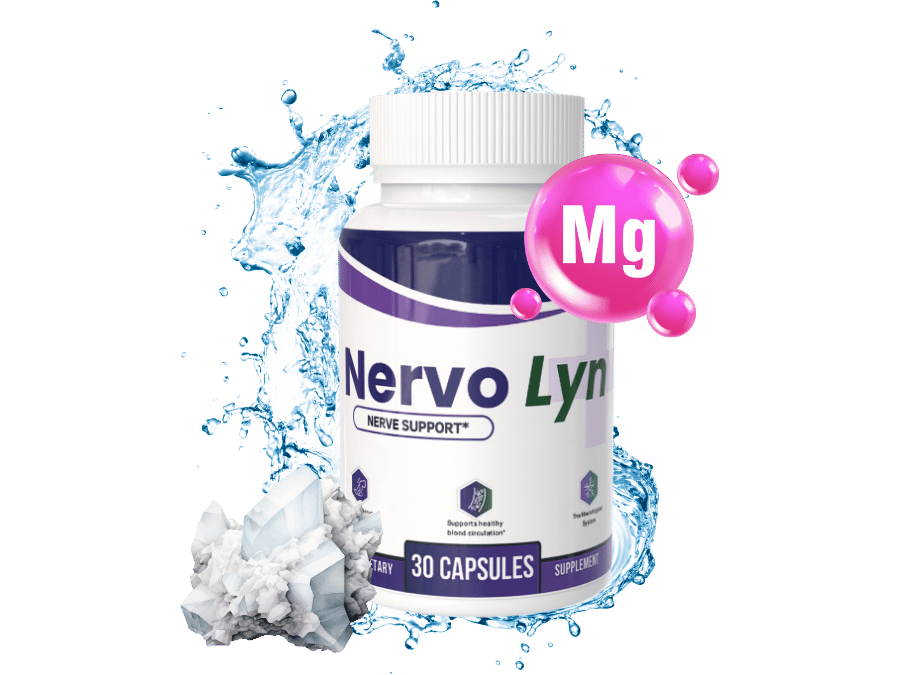
It was NervoLyn. Joanne, who reads fabric content tags the way other people read headlines, turned it over and read every line on the back:
- Turmeric extract, standardized to 95% curcuminoids. For the body's normal inflammation response around stressed nerves. "So that's the spice," she said to Ruth. Ruth just smiled.
- Butcher's broom. A traditional herb for circulation, to help blood make the long trip out to the toes and fingertips.
- Alpha lipoic acid. An antioxidant the company describes as one of the most studied for the nerves in the hands and feet.
- L-carnitine and Coenzyme Q10. Fuel for the cells, so a tired nerve has the energy for its own slow repair.
- Magnesium glycinate. A gentle form of magnesium the company connects with calmer nerve signals and better sleep.
"It's the blood flow one," Joanne told me on the phone that night. "My gloves warm the outside. This was about getting the blood out there from the inside." She took the label to her doctor before she started anything, because of the B12 and her blood pressure pill. He said to take it with breakfast, keep the B12, keep walking, check her feet every night, and come back in three months.
What Joanne noticed, and when
- Week 1. Nothing she'd swear to. Same fuzzy fingertips, same buzzing toes under the quilt.
- Weeks 2 and 3. A warm, prickly feeling in two fingers that had felt like cotton. Ruth told her she'd felt the same thing. Some people notice a quiet spot stirring before it settles, though nobody can promise what it means.
- Month 1. She hand-stitched a hem, start to finish, without dropping the needle once.
- Months 2 and 3. Where Ruth is now: back at the piano on Sunday afternoons, black keys and all.
Why so slow? Because nothing in that bottle numbs anything. A coating that has been wearing thin for years is rebuilt on the body's own schedule, and the longest nerves get their turn last. The company says many people notice early changes in three to four weeks and fuller results over eight to twelve. Joanne ordered the three-month supply. "I don't hem anything in a week," she said. "Why would my nerves?"
If the tingling has moved from your toes into your fingertips and the creams and gloves only buy you an hour, this is the bottle Ruth set down next to the glue gun.
Read the label Joanne read line by line →Who it's for, and who it isn't
It may be worth a look if you're over 50, the tingling, buzzing or numbness started in both feet and has crept into the fingertips, your doctor has checked the basics (blood sugar, B12, thyroid), and the outside fixes help for an evening but not for good.
It is not for you if the symptoms came on suddenly or on one side only, if a hand or leg feels weak, if you have a wound that isn't healing, or if it's only your hand at night with the thumb side asleep (ask about carpal tunnel). Those need a doctor first. If you take medicine for blood sugar, blood pressure, thyroid or blood thinning, are in chemotherapy, or are pregnant or nursing, show your doctor the label first, the way Joanne did.
The company gives you 60 days, with your money back if your hands and feet don't notice. It's a one-time order, nothing that renews on its own, made in the United States in a GMP-certified facility. "Sixty days is a whole wedding season," Joanne said. "If I still can't thread a needle by then, it goes back in the mail."
Every month the coating keeps leaking, a little more feeling goes quiet, and the fingertips you work with are next in line after the toes. Joanne's only regret is the spring she spent blaming her shoes.
Start your 60 days before you lose another stitch →So, what does tingling in hands and feet mean?
Most often it's a sign the longest nerves in your body are struggling, starting at the toes and moving to the fingers. Ask your doctor to check blood sugar, B12 and thyroid, review your medications, and get seen fast if it's sudden, one-sided, or comes with weakness. Protect numb hands from heat and sharp things, check your feet every night, and keep moving. Results with any supplement vary from person to person, and Joanne's are her own. She still sees her doctor, and she still takes her B12.
P.S. Lily wore the butterfly wings to the school parade, hot glue and all. Joanne is finishing the satin edges properly this week, by hand, "so they last for her little sister." If you're at your own table tonight with a needle you can't quite feel, here's what Ruth pulled out of her purse. And if it's mostly your feet at bedtime, read what happened to my friend Gloria when the cold came in.
I'll send you the next one
— Denise
No spam, no daily noise. Just what I actually did, written the way I actually lived it, sent when I write it.
Thanks — you're on the list.
This is a first-person account shared with Health Choice Review and is not medical advice, a diagnosis, or a recommendation of any treatment or product. Nerve symptoms and their causes vary between individuals. Always consult a licensed physician about your own health, and never start, stop or change a treatment based on anything you read here.